Everyday Listeners
Settle the question — is this voice real or AI? — before you trust, forward, or share a clip.
New voice models appear all the time, and the AI voice detector is updated to keep pace — trained to catch synthetic speech from the tools people actually use.


From a forwarded voice note to a recorded interview — here is where the AI voice detector comes in handy.
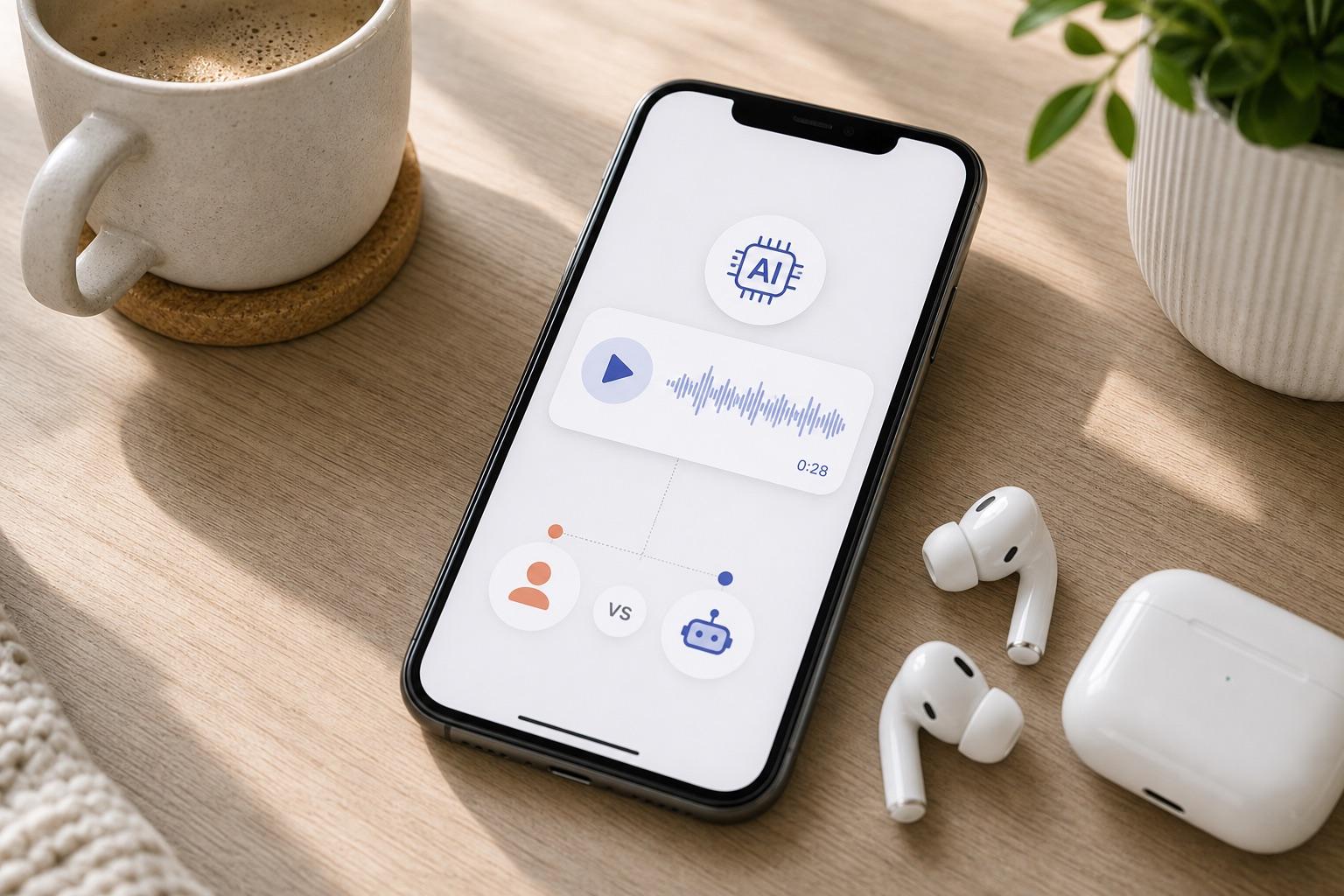
Heard a voice note or video that sounds a little off? Drop in the audio and find out if a real person spoke it or an AI did.
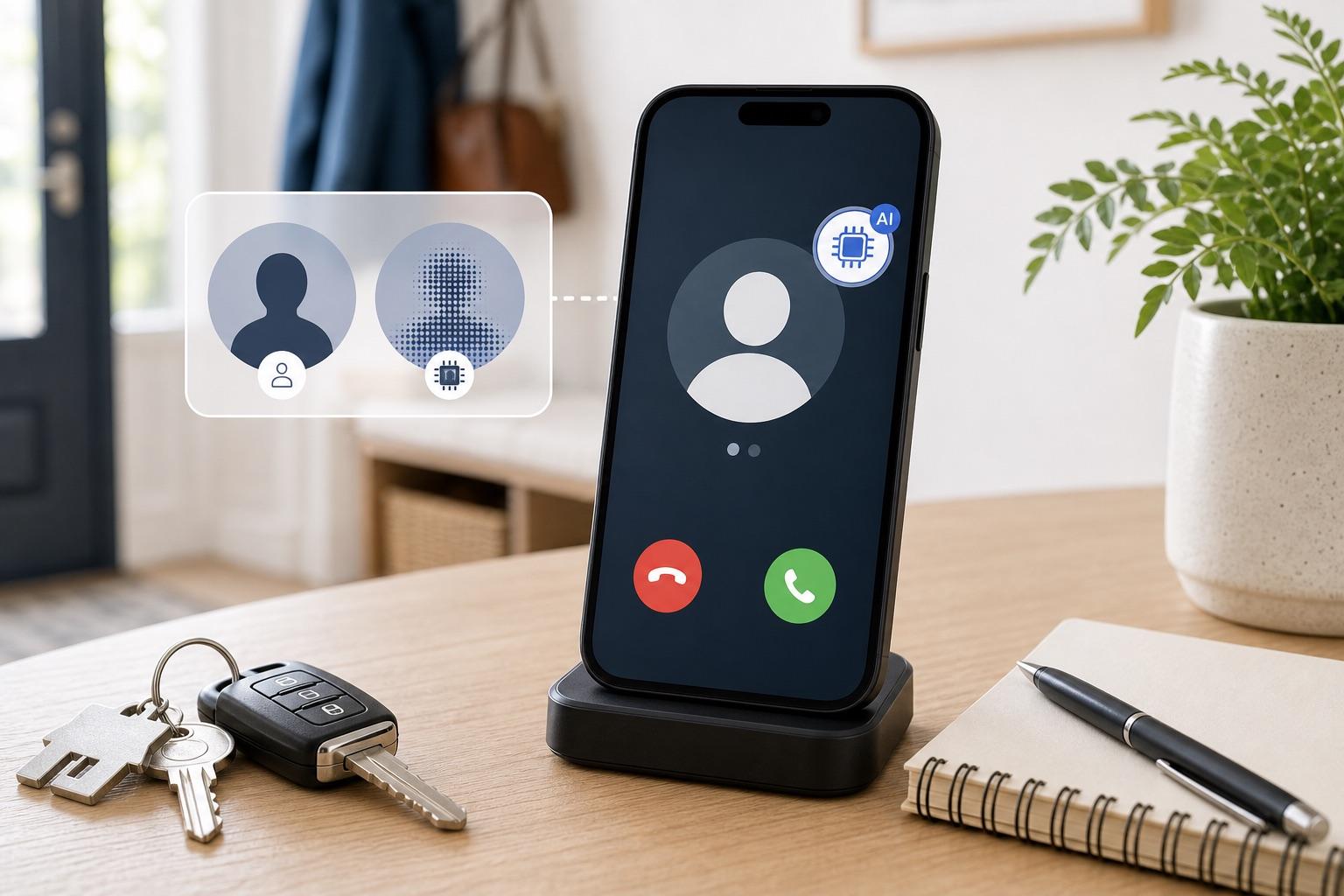
Got an unexpected message that sounds like someone you know? Check whether the voice may be AI-generated before you act on it.
Reporters and researchers can sanity-check leaked or forwarded audio before treating a quote as genuine — the AI voice detector gives a quick read.
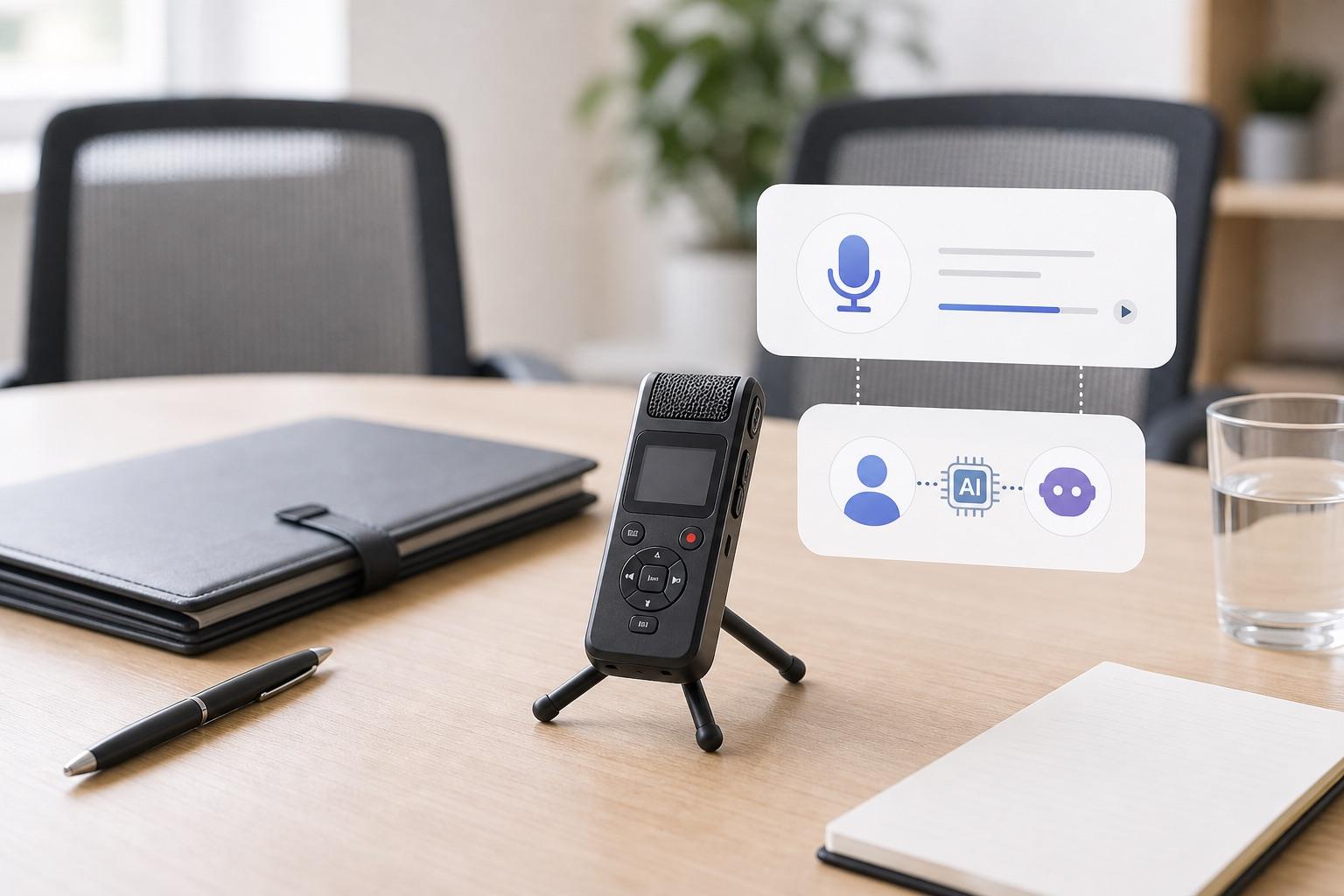
Screen recorded interview answers and voice submissions so an AI-generated voice does not stand in for a real candidate.
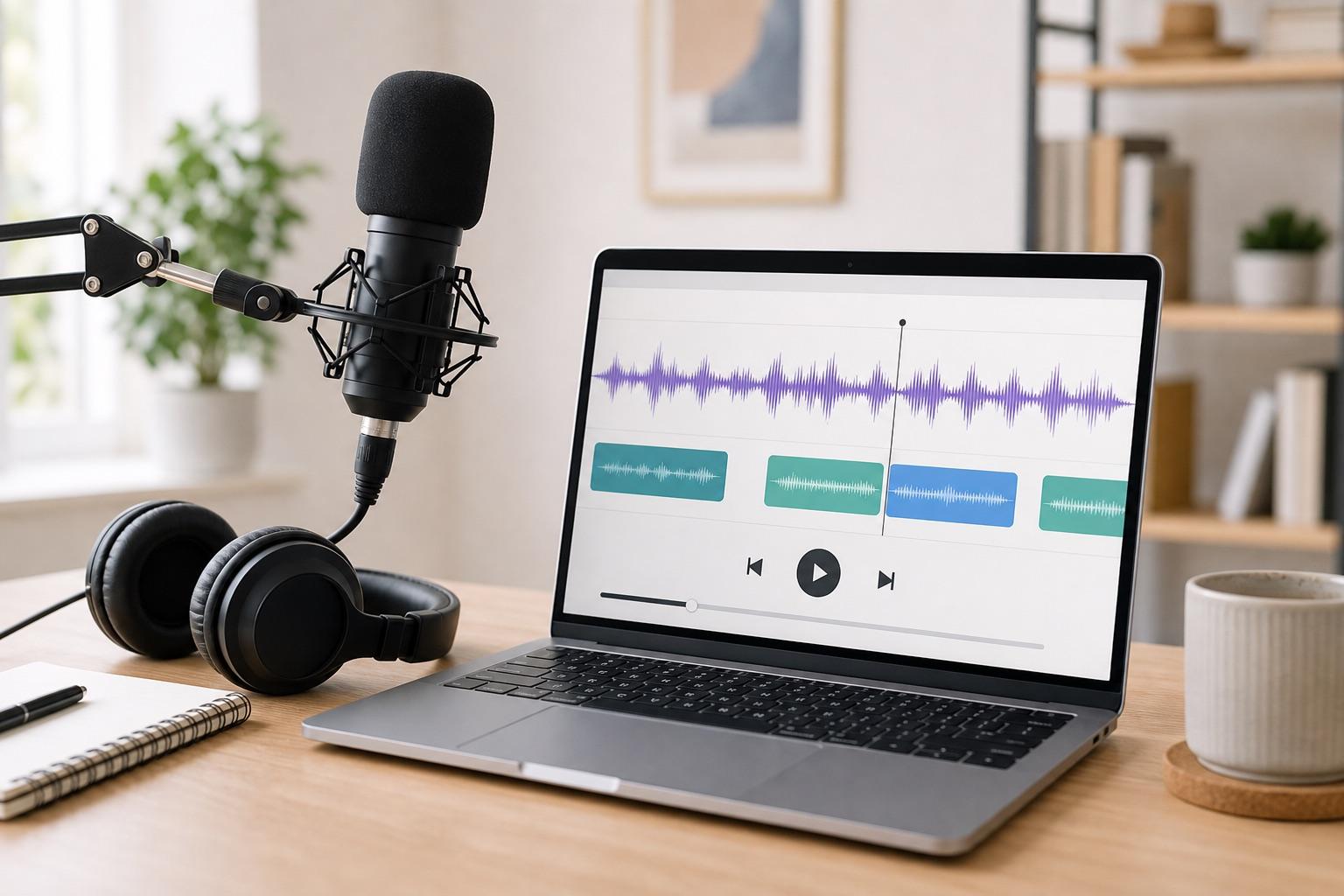
Verify a guest clip you were sent, or check whether someone has cloned your own voice into synthetic speech.
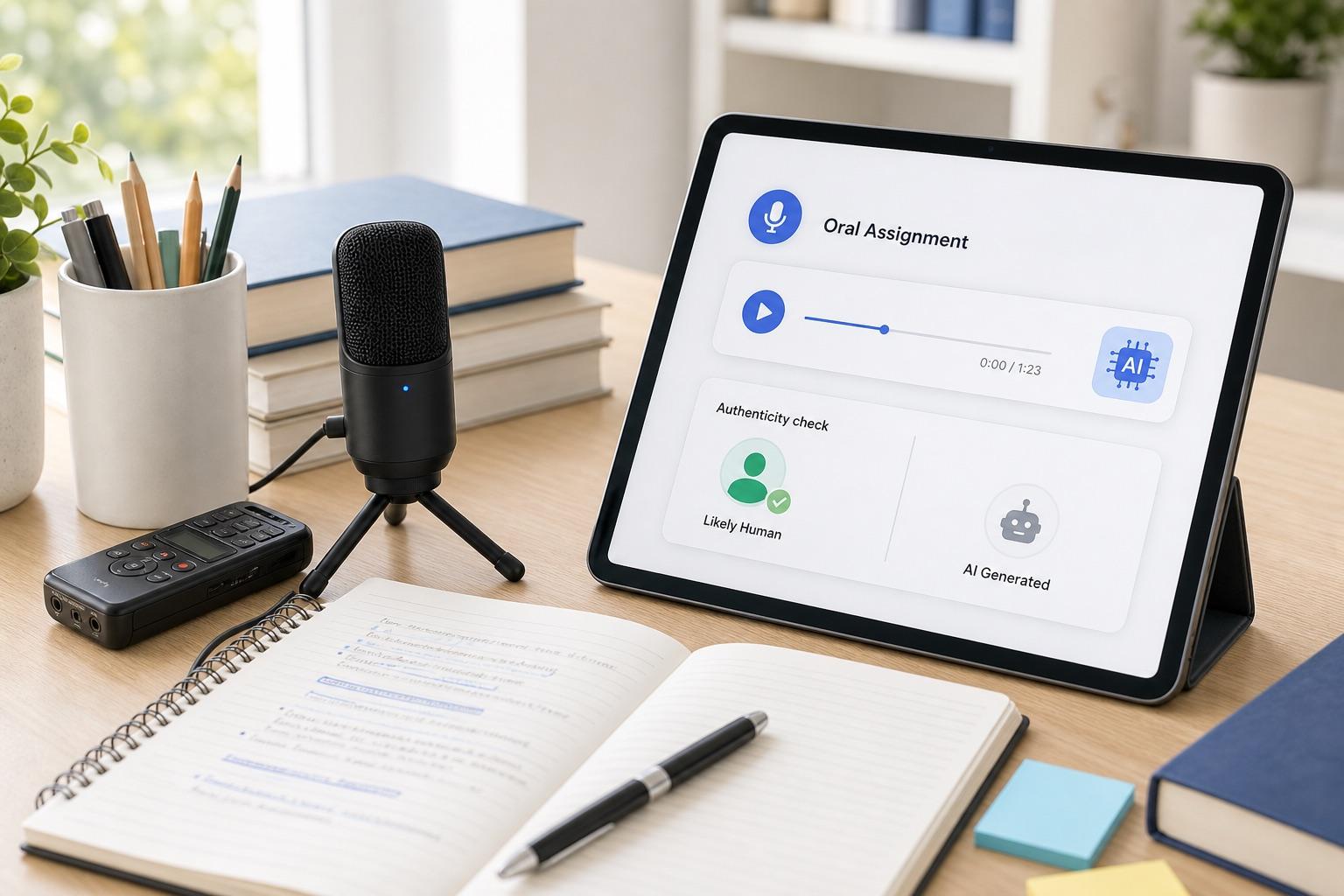
Confirm that a spoken assignment or oral submission was recorded by a student, not generated by an AI voice.
From everyday listeners to newsrooms and security teams.
Settle the question — is this voice real or AI? — before you trust, forward, or share a clip.
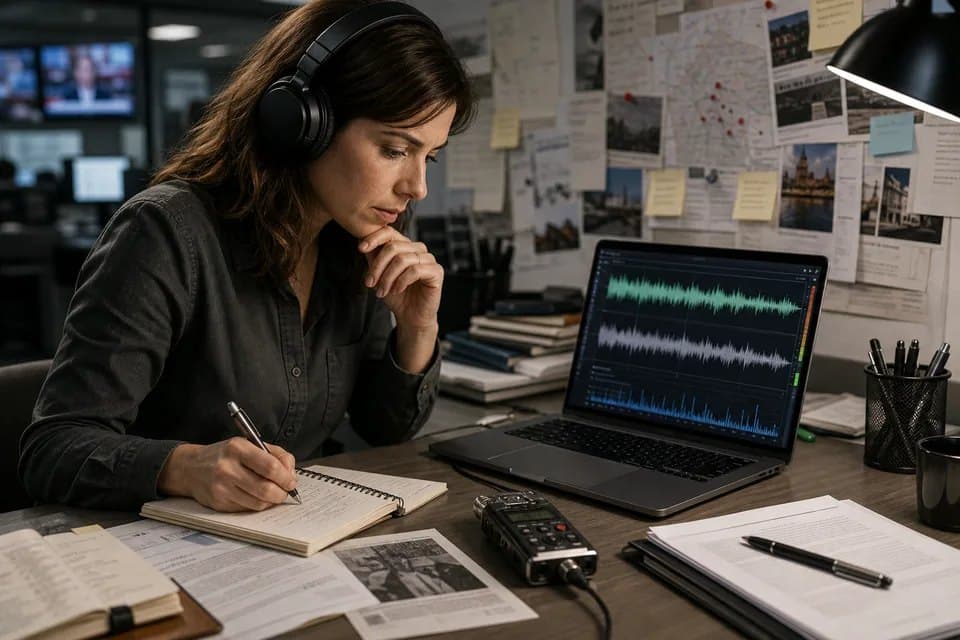
Verify forwarded or leaked audio with the AI voice detector before it shapes a story.

Add a second opinion on suspicious calls and voice messages flagged by staff or customers.
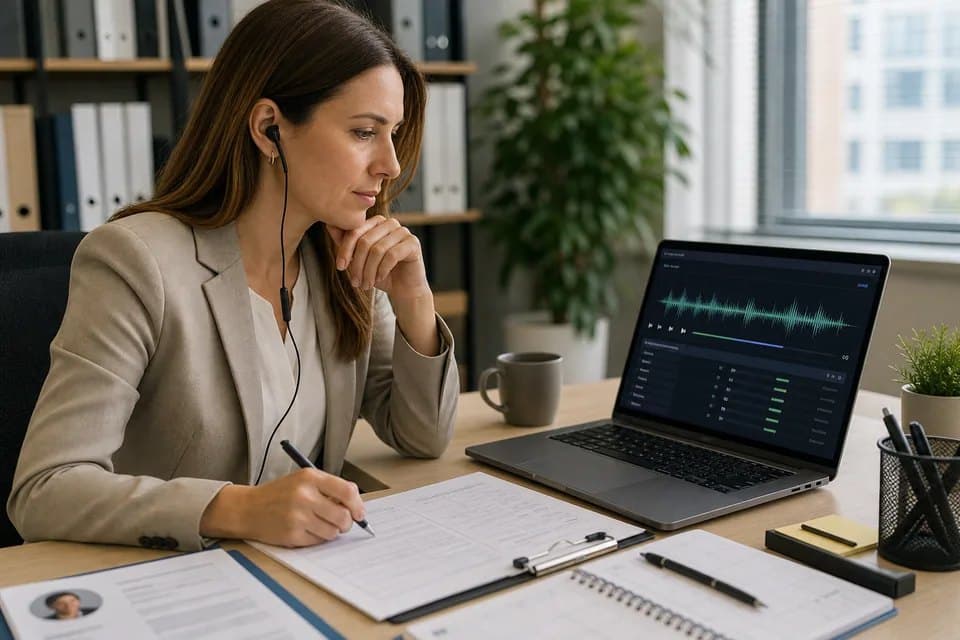
Confirm that recorded interview answers came from a real candidate, not an AI voice.
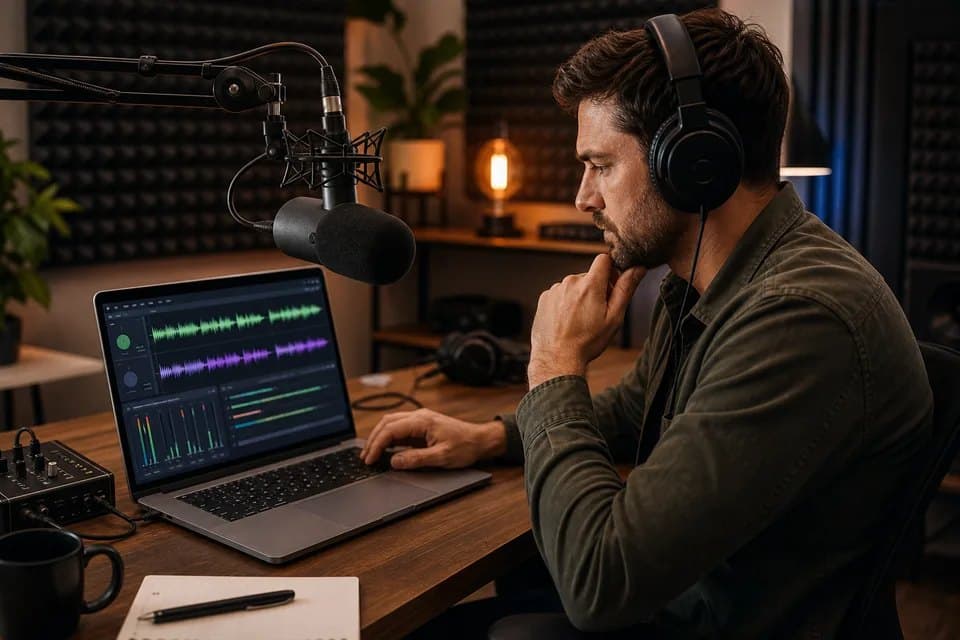
Vet guest submissions and watch for AI clones of your own voice.
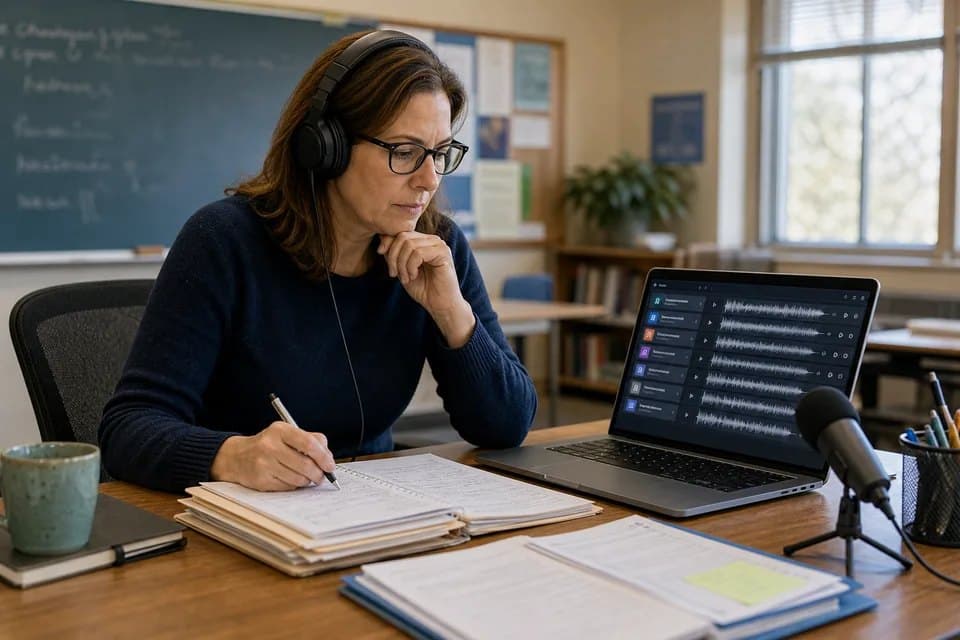
Check spoken assignments and oral exams for AI-generated voices.
Drag in an MP3, WAV, FLAC, or M4A file. Checking it needs a free account, and signing up gives you 10 credits.
Try it freeThe AI voice detector studies the speech and looks for the acoustic patterns that AI voice models leave behind.
Try it freePlenty of tools claim to flag fakes. Our AI voice detector is built to be fast, honest about its limits, and genuinely useful.
Checking a voice should be quick and open to everyone. Sign in once, get 10 free credits, and see a result in seconds — no ads, no pop-ups, just a straight answer.
Behind the simple upload is a deep-learning model trained on speech from modern AI voice tools, so it spots synthetic-voice patterns the human ear can miss.
File names and metadata are trivial to fake or strip. Instead of trusting them, the detector analyzes the actual audio to judge whether a voice is AI-generated.
New voice generators launch constantly, and a stale detector misses the newest fakes. We keep updating the AI voice detector as new models appear.
Common questions about how the AI voice detector works, what it costs, and how accurate it is.
Yes, it's free to start. Voice checks need a free account, and signing up gives you 10 credits, enough for about 5 seconds of audio. Your checks are saved to your history, and a plan or credit pack covers more when you need it.
Upload your audio clip and press Detect. In a few seconds the detector returns an AI-or-human verdict and a confidence score for the voice.
No AI voice detector is 100% accurate. Ours is a strong, probabilistic signal — treat the score as guidance, not definitive proof, and use your own judgment for high-stakes decisions.
It is built to catch AI-generated speech from today’s most popular voice tools — including ElevenLabs, OpenAI, Murf, PlayHT, and Resemble — with new models added over time.
The score runs from 0 to 100% and reflects how strongly the voice matches AI-generated patterns. A high score means strong AI signals, a low score means it sounds human, and mid-range results are best treated as uncertain.
No — this tool is built for spoken voices, not music or singing. For AI-generated songs and instrumentals, use our AI Music Detector instead.
A few seconds of clear speech is usually enough. Longer, cleaner recordings give the detector more to work with; very short, noisy, or heavily compressed clips are harder to judge.
It analyzes acoustic patterns rather than the words themselves, so it works across many languages and accents — though results can vary on languages that are underrepresented in training data.
Yes. Heavily edited, very short, or phone-compressed clips are the hardest to judge, so false positives and negatives happen. Use the result together with context, not as a sole verdict.
One toolkit for spotting AI across text, images, video, and audio.