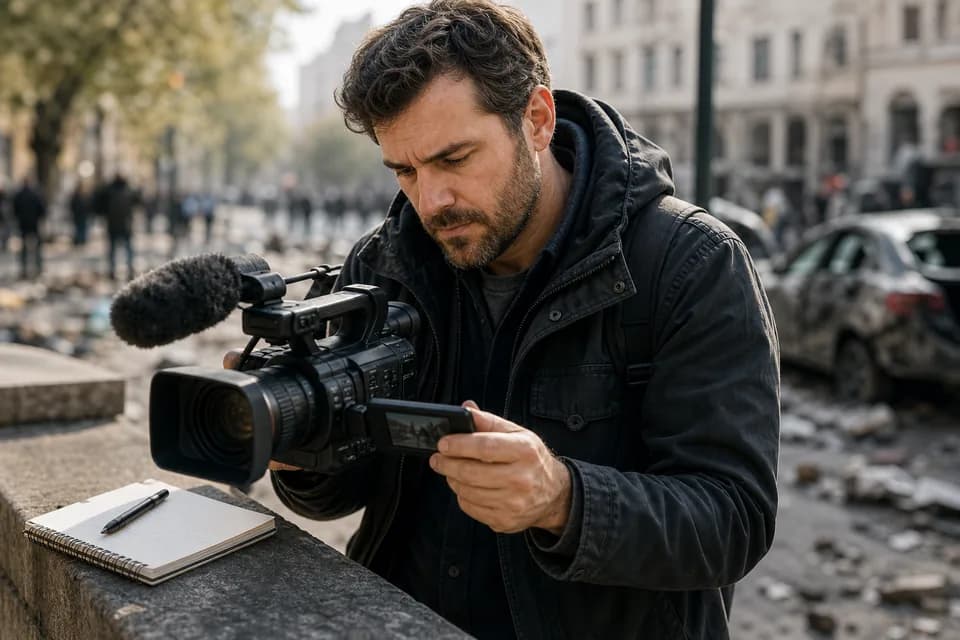
Journalists & Fact-Checkers
Verify viral or source-submitted footage before it goes to print or air.
An AI video detector is a tool that analyzes a clip and estimates whether it was generated by AI or turned into a deepfake, rather than filmed with a real camera.
A good video detector works straight from the pixels. This video detector reads the footage frame by frame, looking for the patterns synthetic generators leave behind, then turns them into a single confidence score. Because the video detector does not rely on where a clip came from or its metadata, the AI video detector can still judge footage that has been re-uploaded, trimmed, or compressed — exactly the kind of messy, low-quality clips that actually spread across social feeds and group chats.
AI-generated and deepfake video are being used in ways that cause real harm — from fraud to disinformation. Run a suspect clip through our AI video detector and you get a fast read on whether it is genuine before you trust, share, or report it.
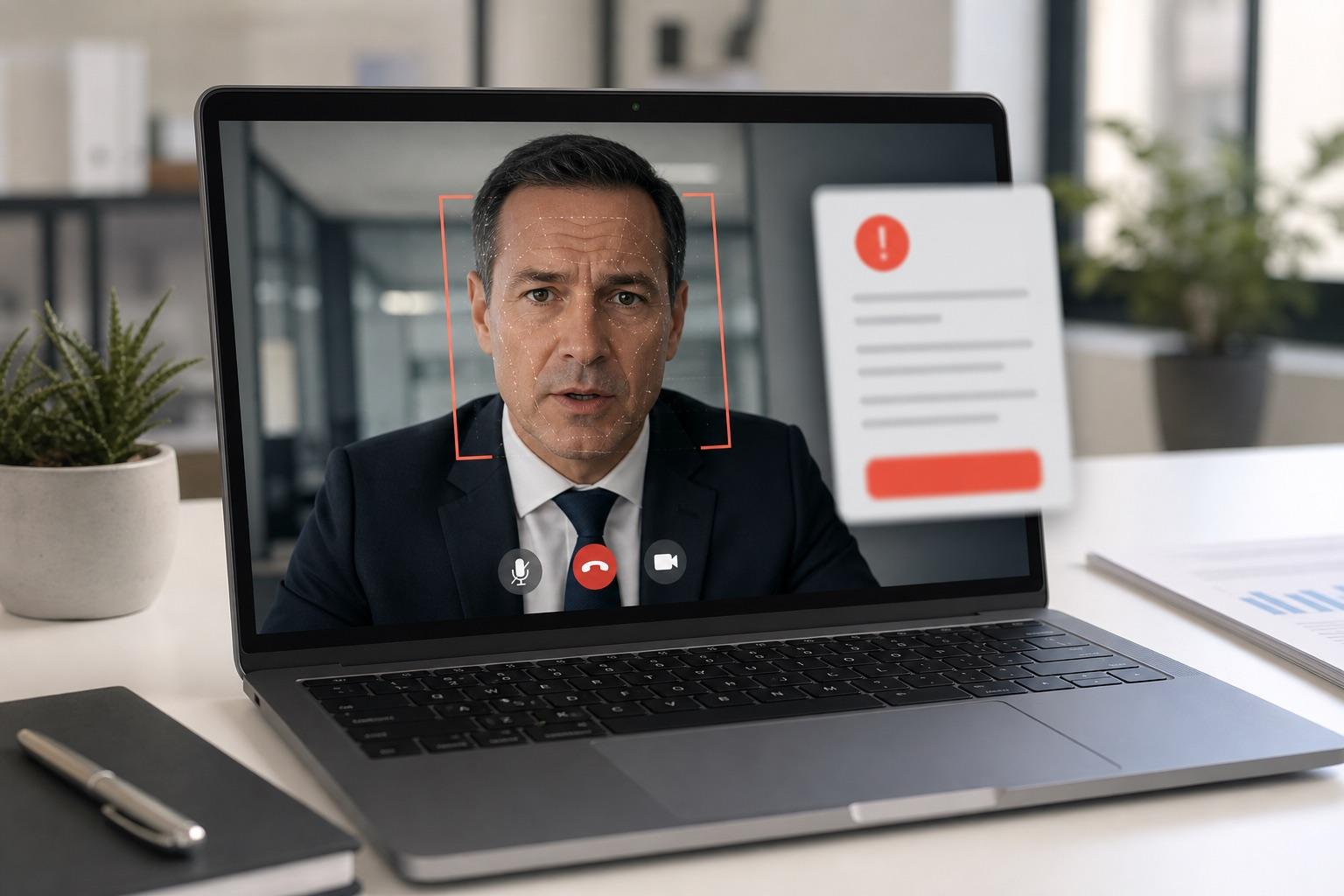
Scammers clone an executive’s face and voice on video calls to approve fake payments. Verify a suspicious clip before money moves.
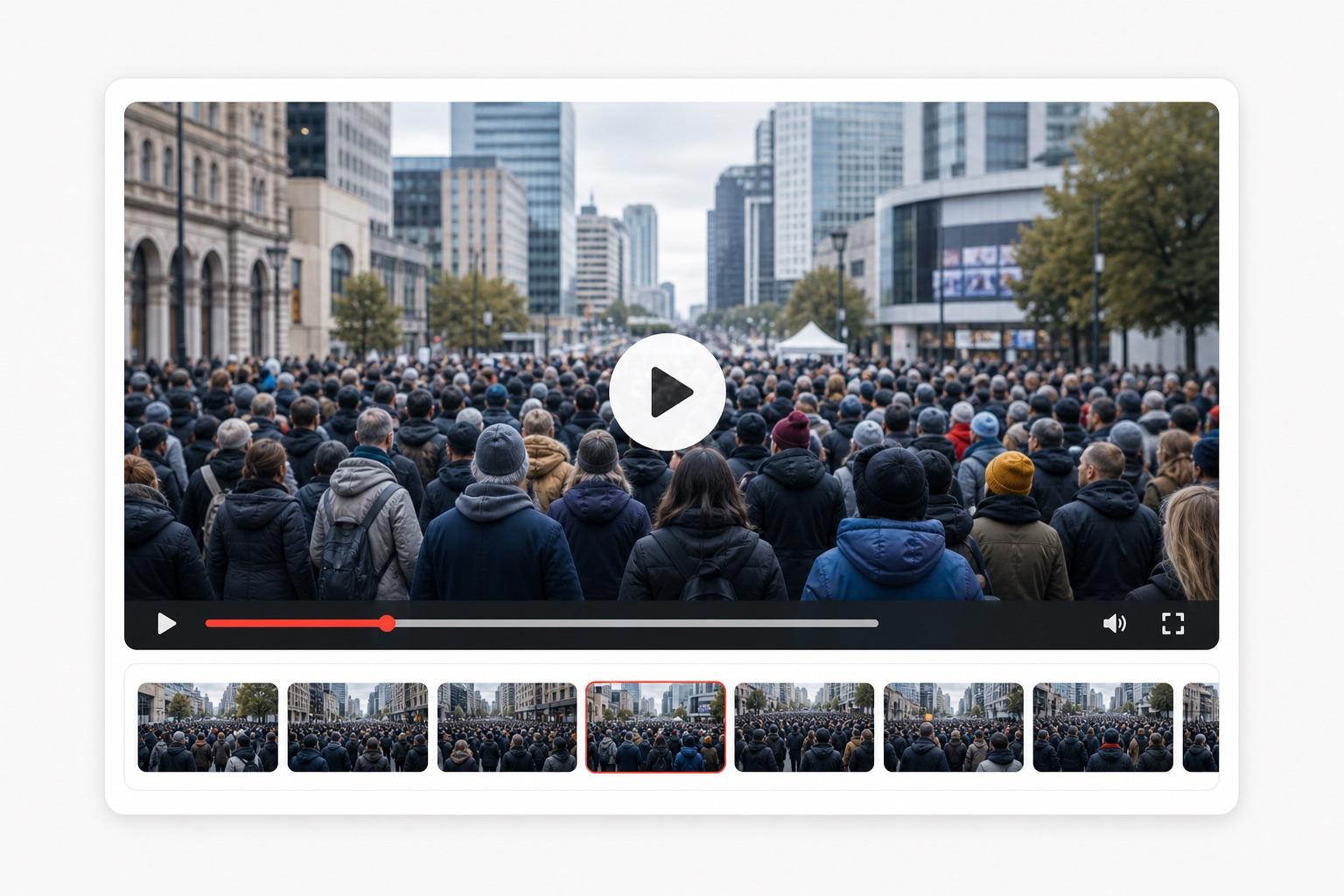
AI-generated footage of events, leaders, and disasters spreads fast. Check viral clips before you trust or share them.
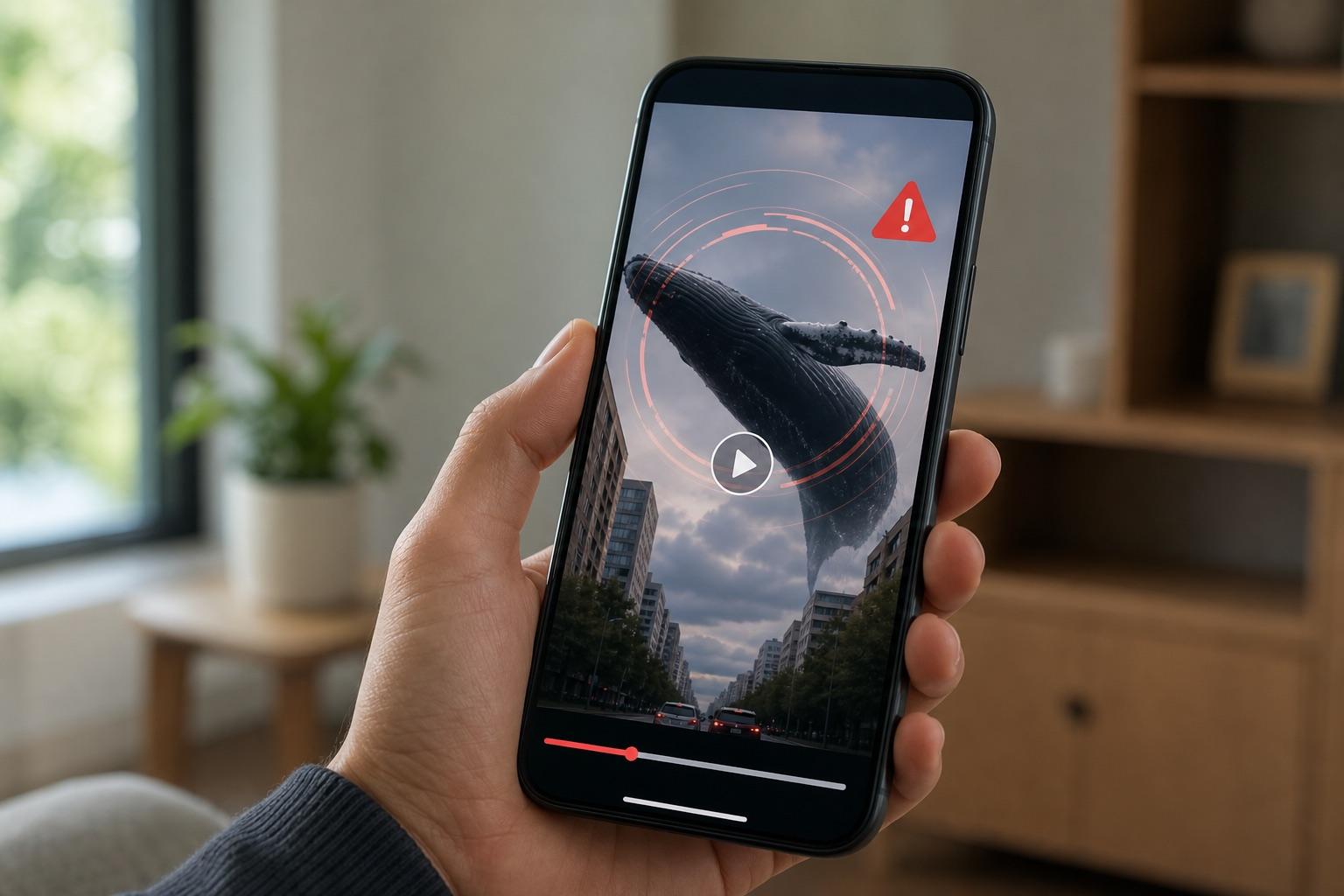
That shocking clip in your feed may never have happened. Run it through the AI video detector before resharing.
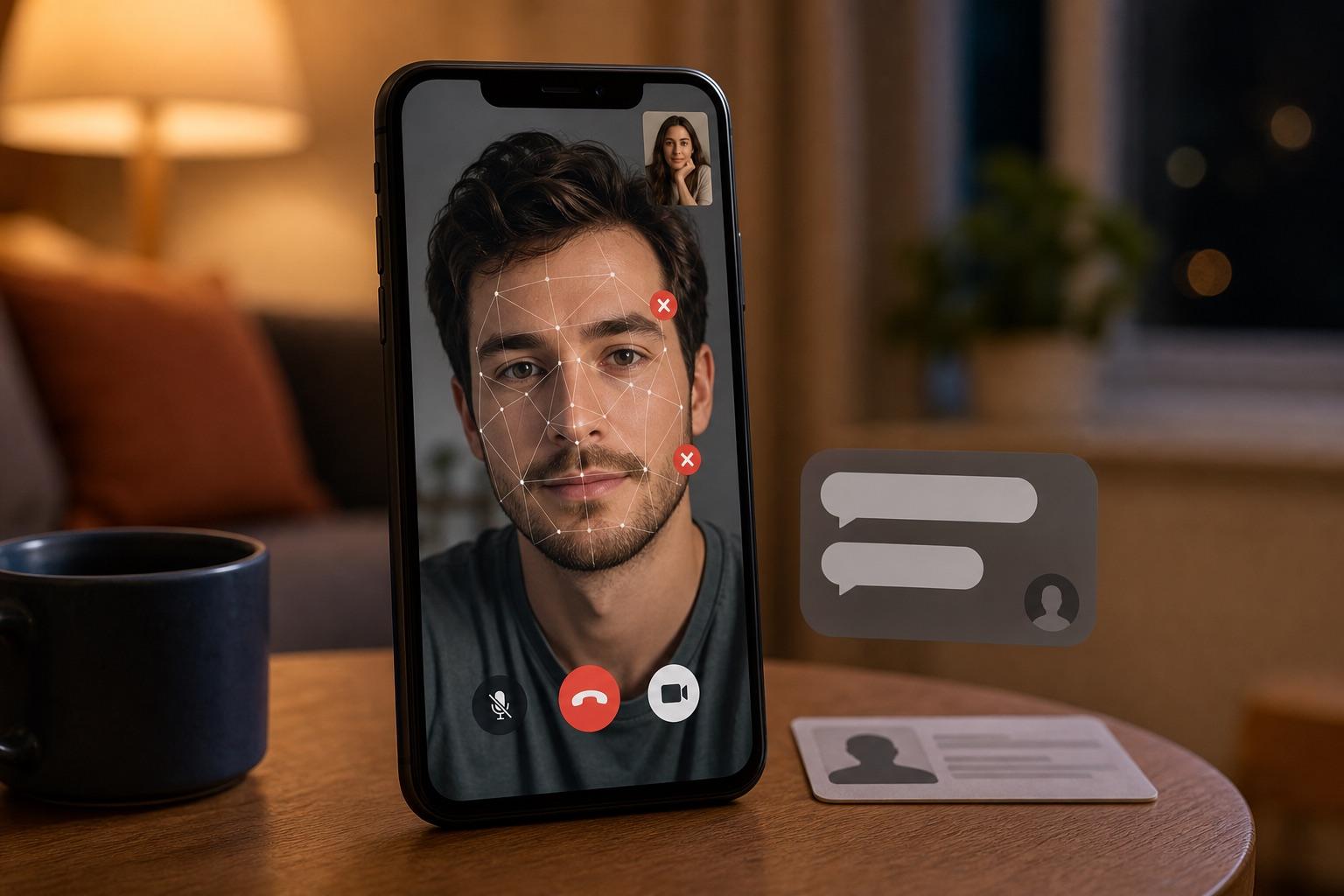
Face-swapped video and AI avatars fake identities on dating apps and video calls. Confirm who you are really talking to.
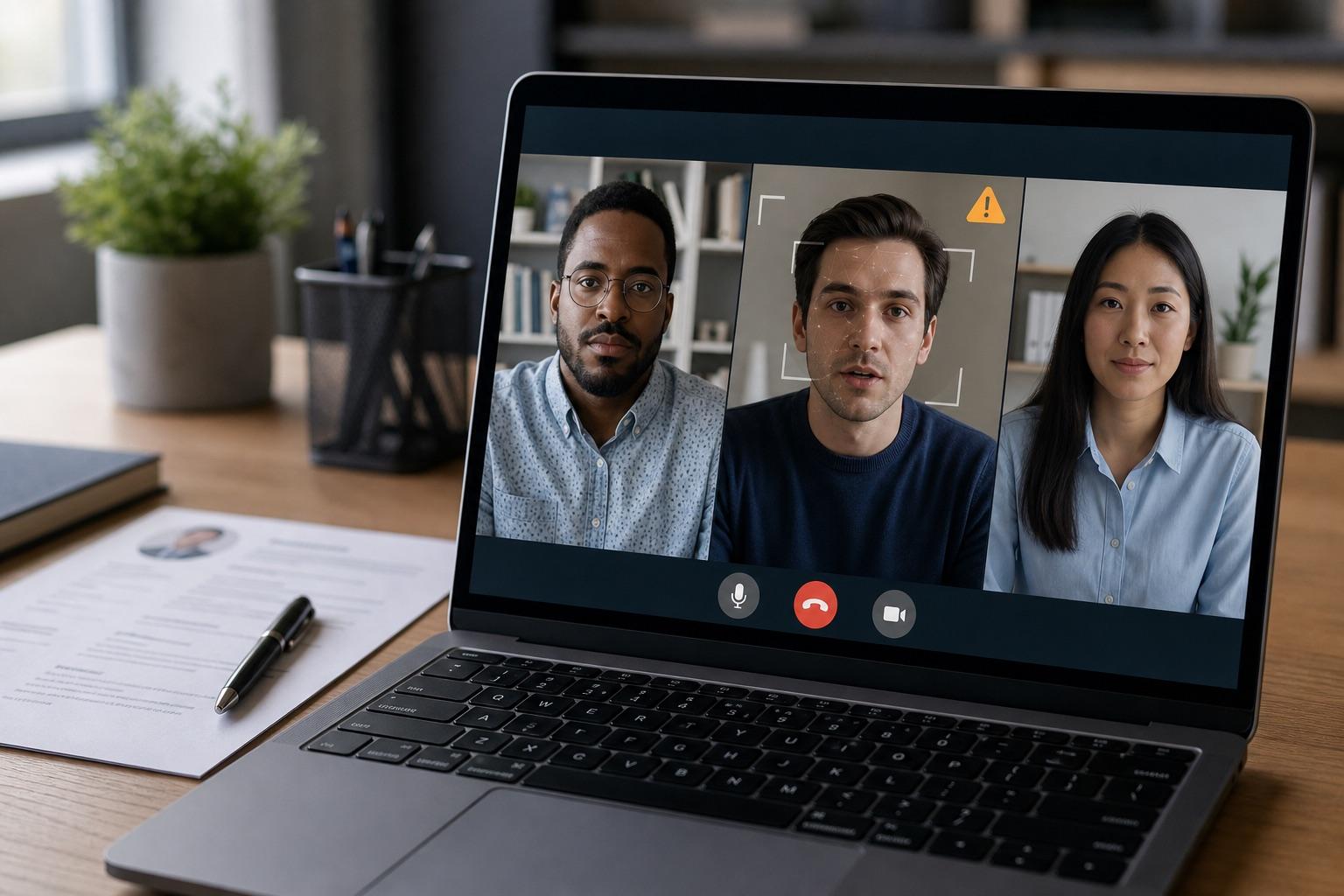
Deepfake candidates use synthetic video in interviews. Screen recordings to keep fake applicants out.
Before relying on a video as evidence or a real interview, confirm it has not been AI-generated or manipulated.
New video models launch almost every month, and the AI video detector is updated to keep pace — trained to catch clips from the generators people actually use.


Anywhere a fake clip can cause real damage, a quick check with a free video detector helps people trust what they are watching — and a shared AI video detector keeps whole teams aligned on what is real.
Verify viral or source-submitted footage before it goes to print or air.
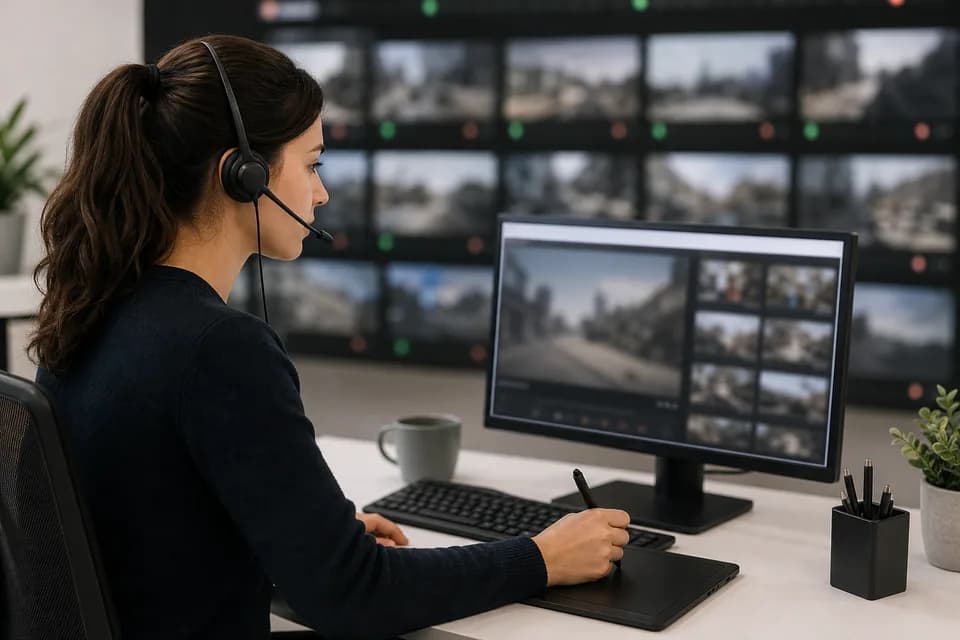
Screen user-uploaded video for deepfakes and synthetic media at scale.

Catch deepfake candidates in remote video interviews before you hire.

Flag AI-generated video in ads, listings, and submissions before it goes live.
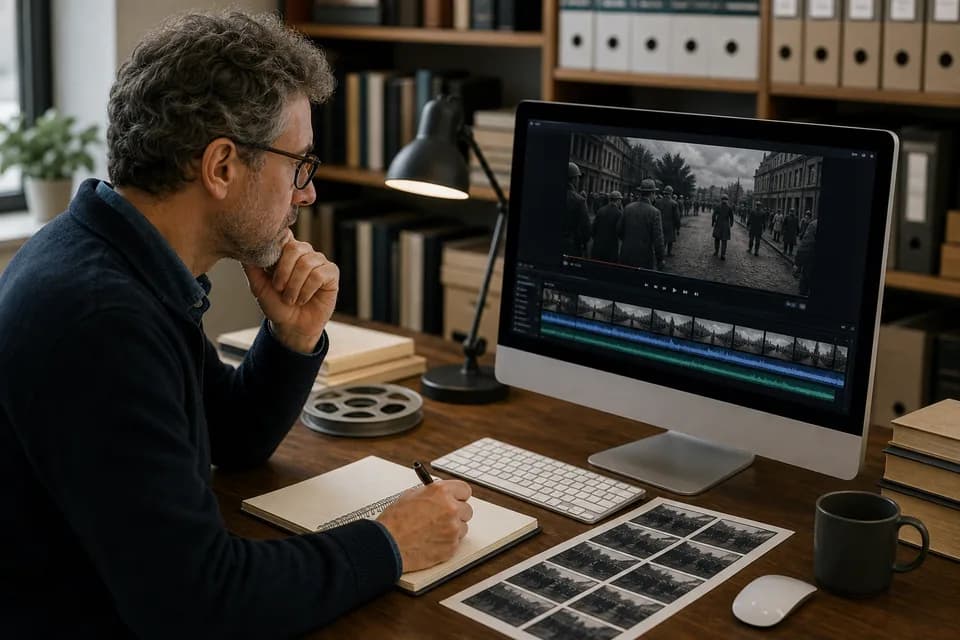
Check whether submitted video clips and sources are authentic.
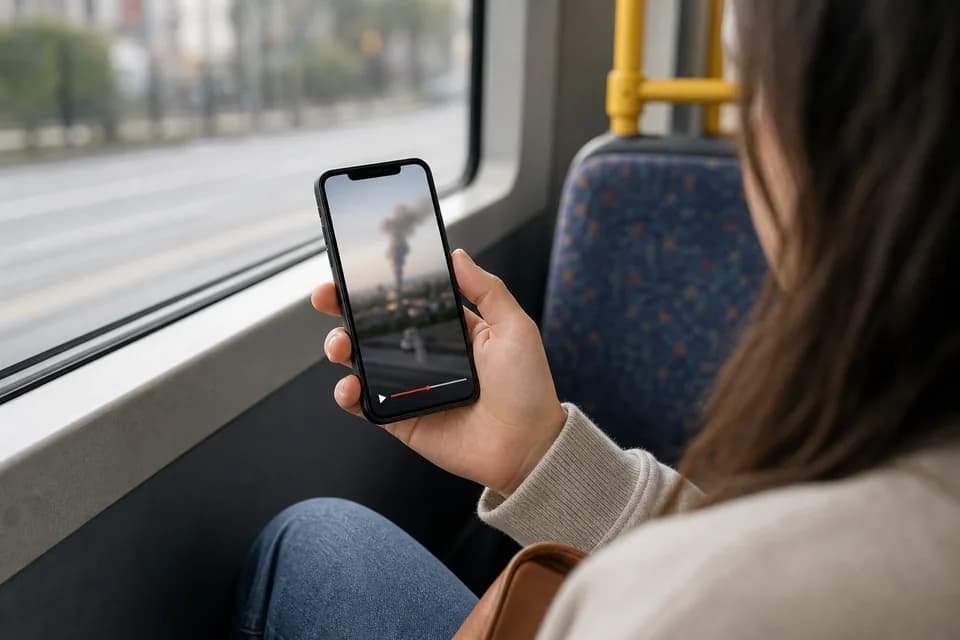
Settle the question — is that clip real? — before you believe or forward it.
Drag in a clip (MP4, MOV, WebM, and more). No account needed for your first checks.
Try it freeThe detector reads the footage and, if enabled, checks for possible deepfakes.
Try it freePlenty of tools claim to flag fakes. Our video detector is built to be fast, honest about its limits, and genuinely useful — here is what makes this AI video detector worth your trust, and why a free video detector should not mean a flimsy one.
Checking a video should be quick and open to everyone. The detector is free to start, needs no sign-up, and returns a result in seconds — no ads, no pop-ups, just a straight answer.
Behind the simple upload is a deep-learning model trained on video from diffusion models, GANs, and transformers — the architectures behind modern AI video — so it spots generation patterns the human eye misses.
File metadata is trivial to fake or strip. Instead of trusting it, the detector reads the actual video content to judge whether it was AI-generated or manipulated.
Video models launch constantly, and a stale detector misses the newest fakes. We keep updating the detector as new generators appear, so this video detector keeps pace instead of falling behind.
Common questions about how the AI video detector works, what it costs, and how accurate it is.
One toolkit for spotting AI across text, images, video, and audio.